Understanding Balance Issues in Seniors: Causes, Prevention, and Management
A comprehensive guide to understanding balance challenges in older adults and evidence-based strategies for maintaining stability and preventing falls
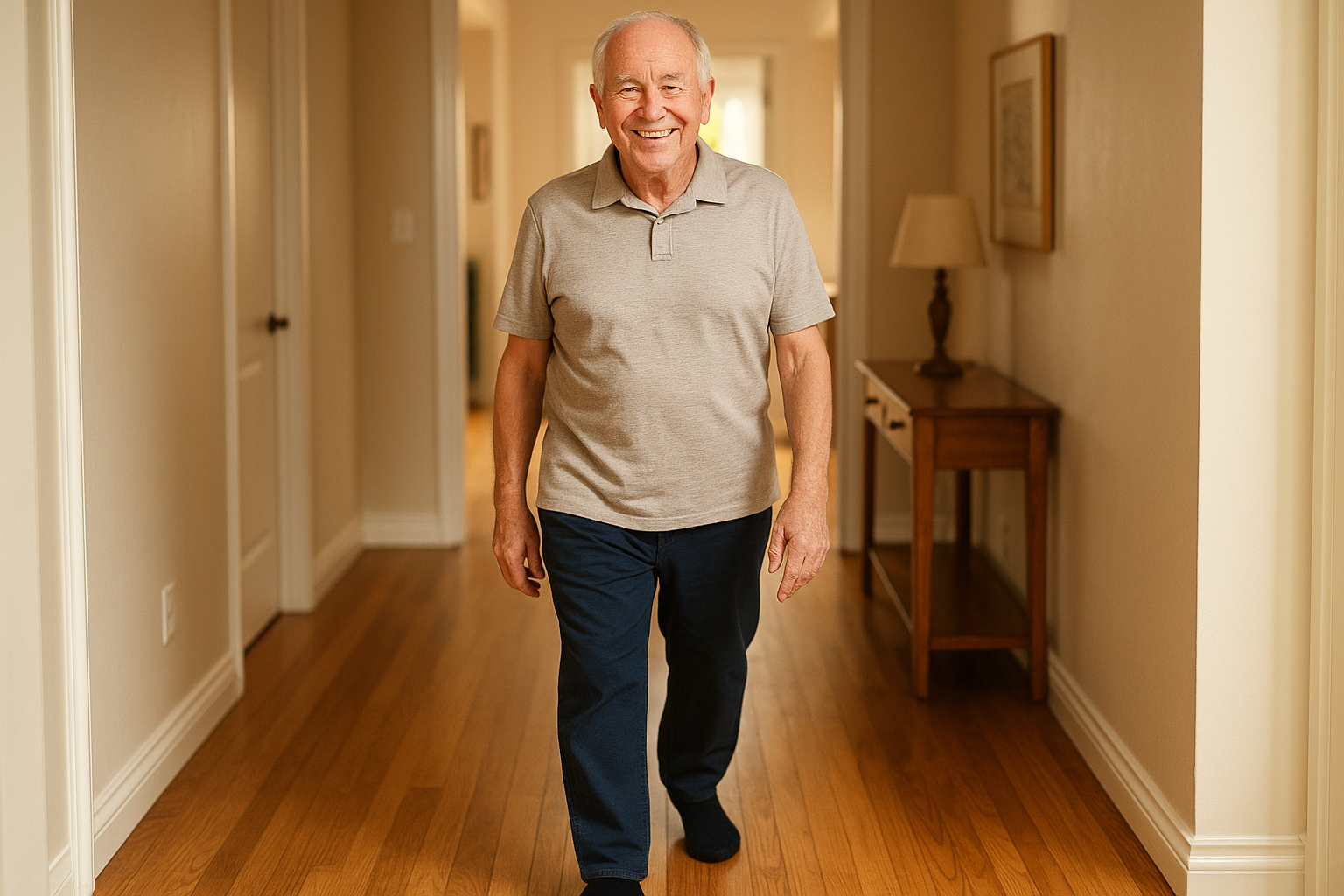
A comprehensive guide to understanding balance challenges in older adults and evidence-based strategies for maintaining stability and preventing falls
Balance issues affect millions of seniors worldwide, representing one of the most significant health challenges facing older adults today. According to the Centers for Disease Control and Prevention, one in four adults aged 65 and older falls each year, with balance problems being a primary contributing factor. Understanding the complexities of balance issues is crucial for maintaining independence, preventing injuries, and ensuring quality of life in our senior years.
Balance is a sophisticated process that involves multiple body systems working in harmony. When these systems become compromised due to aging, medical conditions, or environmental factors, the risk of falls and injuries increases dramatically. However, with proper understanding and proactive management, many balance issues can be prevented or effectively managed.
Key Statistic
Research shows that falls are the leading cause of injury-related death among adults 65 and older, with balance problems contributing to approximately 30% of all falls in this age group.
Human balance is a complex physiological process that relies on three primary systems working together seamlessly. Understanding these systems helps explain why balance problems develop and how they can be addressed effectively.
The eyes provide crucial information about body position relative to the environment, helping the brain understand spatial orientation and detect movement.
Located in the inner ear, this system detects head movements and changes in position, providing information about acceleration and spatial orientation.
Sensory receptors in muscles, joints, and tendons provide feedback about body position and movement, particularly important for foot and ankle stability.
When any of these systems becomes compromised, the brain receives conflicting or incomplete information, leading to balance difficulties. The aging process naturally affects all three systems, which explains why balance issues become more common as we age.
Balance issues in seniors rarely have a single cause. Instead, they typically result from a combination of age-related changes, medical conditions, and environmental factors. Understanding these causes is essential for developing effective prevention and management strategies.
Several medical conditions commonly affect balance in seniors:
Many medications commonly prescribed to seniors can affect balance, including sedatives, blood pressure medications, antidepressants, and anti-seizure drugs. The risk increases when multiple medications are taken simultaneously, a common situation among older adults.
Important Note
If you suspect medications are affecting your balance, consult with your healthcare provider before making any changes. Never stop or adjust medications without professional guidance.
Recognizing risk factors and early warning signs of balance problems allows for timely intervention and prevention of more serious complications. Many seniors experience gradual changes that they may dismiss as normal aging, but early recognition can lead to effective management.
Early intervention is crucial for managing balance issues. Be alert for these warning signs:
As discussed in our comprehensive guide on Hidden Fall Risks in Senior Homes, many balance challenges begin subtly and progress gradually, making early recognition and intervention essential for maintaining independence and safety.
Prevention remains the most effective approach to managing balance issues in seniors. Research demonstrates that targeted interventions can significantly reduce fall risk and improve overall stability. A comprehensive prevention strategy addresses multiple risk factors simultaneously.
Regular physical activity is perhaps the most important intervention for preventing balance problems. Specific types of exercise have been proven particularly effective:
Focus on leg and core muscles to improve stability and power. Research shows that strength training can reduce fall risk by 19%.
Specific balance exercises challenge the stability systems and improve reaction time and coordination.
Creating a safer home environment significantly reduces fall risk. Our detailed guide on How to Create a Senior-Friendly Bathroom provides specific recommendations for one of the most hazardous areas of the home.
Ensure adequate lighting throughout the home, especially in hallways and stairs.
Remove clutter, loose rugs, and obstacles from walking areas.
Install grab bars and handrails in key locations throughout the home.
Regular medical care plays a crucial role in balance management. This includes routine vision and hearing checks, medication reviews, and management of chronic conditions that may affect balance. Working closely with healthcare providers ensures that medical factors contributing to balance issues are properly addressed.
For seniors already experiencing balance problems, effective management strategies can help maintain independence and reduce fall risk. The key is developing a comprehensive approach that addresses the specific causes and symptoms of each individual's balance challenges.
A thorough professional assessment is the foundation of effective balance management. Healthcare providers may recommend:
Learning to adapt daily activities and using appropriate assistive devices can significantly improve safety and confidence:
As outlined in our article on Morning Routines That Help Seniors Start the Day Safely, establishing consistent routines can help manage balance challenges while maintaining independence in daily activities.
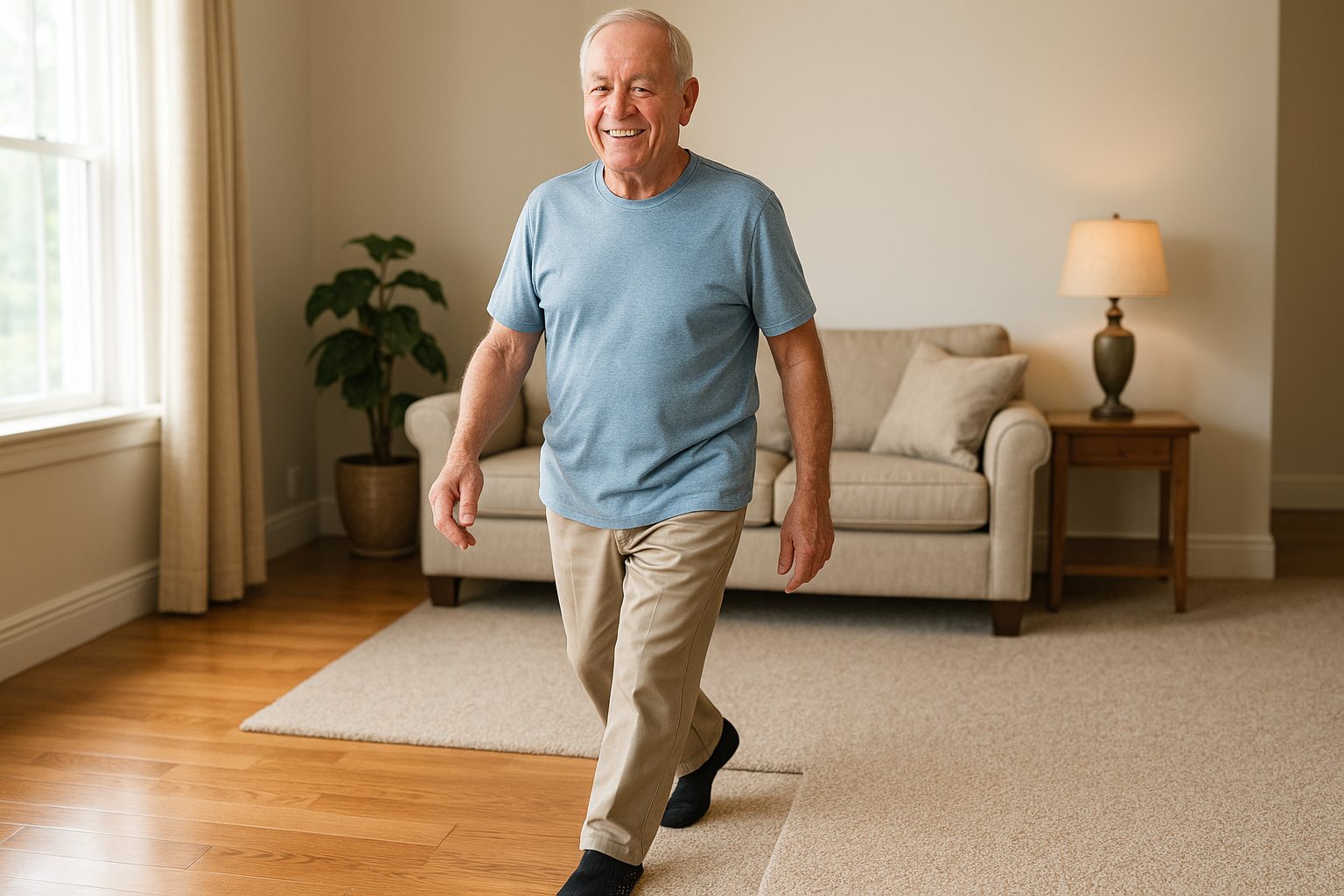
Footwear plays a fundamental role in maintaining balance and preventing falls among seniors. The feet provide the primary contact point between the body and the ground, making proper footwear essential for stability and confidence in movement.
Research has identified specific footwear characteristics that support balance and reduce fall risk:
The design of grip patterns on footwear soles significantly impacts balance performance. Effective grip patterns provide multiple points of contact with the ground, distributing pressure evenly and maximizing traction across different surface types. This is particularly important for seniors who may have reduced proprioceptive feedback from their feet.
Our comprehensive analysis in The Science of Safe Flooring for Seniors explores how different surfaces interact with various types of footwear, highlighting the importance of appropriate sole design for balance support.
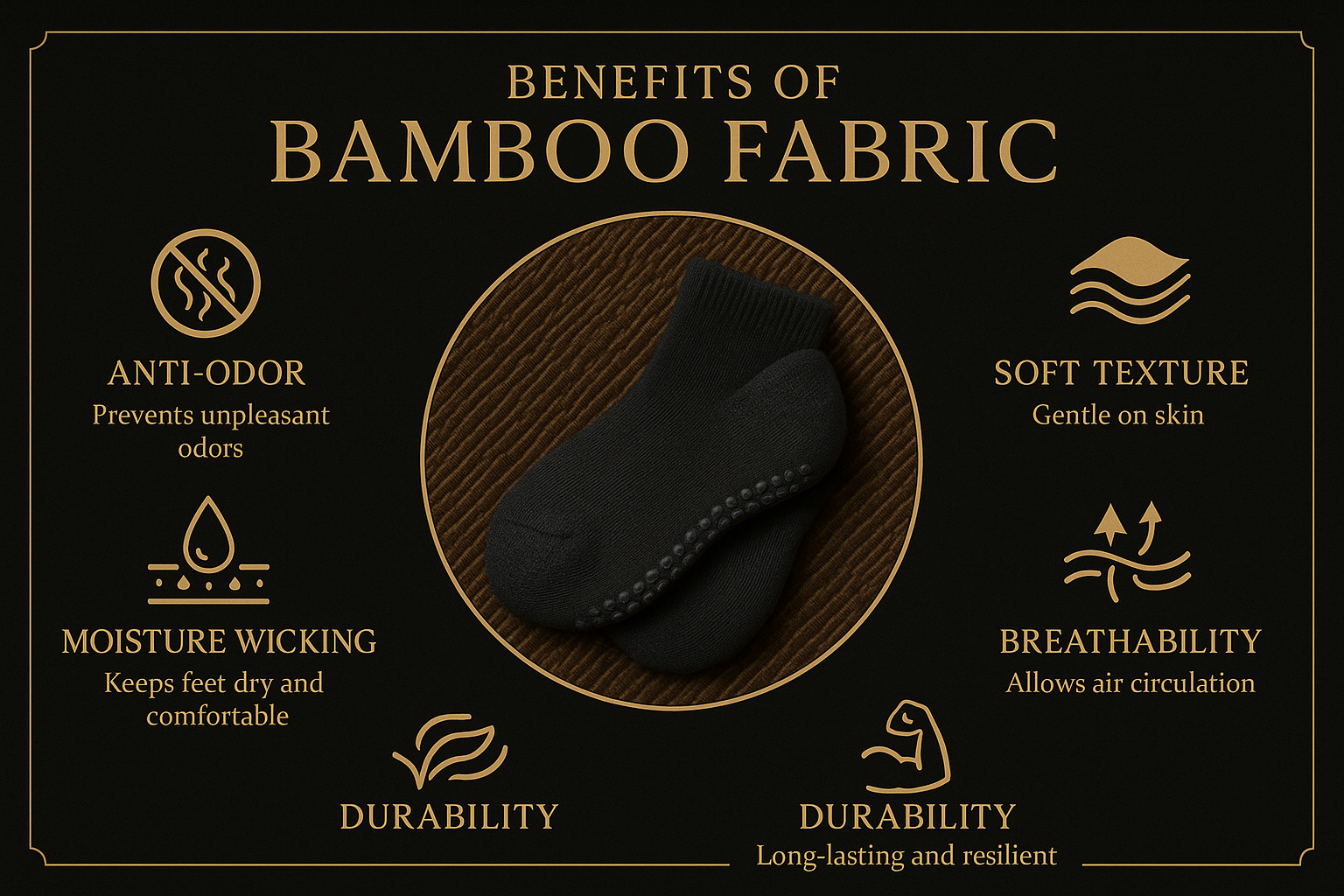
The materials used in footwear construction can significantly impact comfort and foot health, which directly affects balance confidence. Breathable, moisture-wicking materials help maintain foot hygiene and comfort, while soft, flexible materials accommodate changes in foot shape that commonly occur with aging.
For detailed information about material benefits, our article on The Remarkable Benefits of Bamboo Fabric for Senior Footwear provides evidence-based insights into how natural materials can support foot health and overall comfort.
While many balance issues can be managed with lifestyle modifications and preventive measures, certain situations require professional medical evaluation and treatment. Recognizing when to seek help can prevent more serious complications and ensure appropriate care.
Managing balance issues effectively often requires input from multiple healthcare professionals. Your team might include your primary care physician, physical therapist, occupational therapist, and specialists such as neurologists or ENT doctors, depending on the underlying causes of your balance problems.
For guidance on transitioning safely from hospital to home care, including balance considerations during recovery, refer to our detailed guide on Hospital to Home: Creating a Safe Recovery Environment for Seniors.
Managing balance issues requires attention to every detail that affects stability and confidence. Quality footwear with proper grip and support forms a crucial foundation for balance management and fall prevention.
J&C Creations Premium Bamboo Grip Socks are specifically designed to address the footwear needs of seniors dealing with balance challenges. These physician-designed socks feature 47 strategically placed silicone grip points that provide enhanced traction on various surfaces, helping to reduce slip risk and increase confidence in movement.
Crafted from 80% bamboo viscose, these socks offer the moisture-wicking and anti-odor properties essential for maintaining foot health and comfort throughout the day. The soft, breathable material accommodates sensitive skin while providing the secure fit necessary for optimal balance support.
Balance issues in seniors represent a complex health challenge that requires a comprehensive, multi-faceted approach. While aging naturally affects the systems responsible for balance, research clearly demonstrates that proactive management can significantly reduce fall risk and maintain independence well into advanced years.
The key to successful balance management lies in understanding the interconnected nature of physical, environmental, and medical factors that influence stability. From maintaining physical fitness and creating safer home environments to choosing appropriate footwear and working with healthcare professionals, each element plays a vital role in the overall strategy.
Early intervention remains the most effective approach to managing balance issues. By recognizing warning signs, implementing preventive strategies, and seeking appropriate professional help when needed, seniors can maintain their mobility, independence, and quality of life.
Remember that balance management is an ongoing process that may require adjustments over time. Stay engaged with your healthcare team, remain committed to appropriate exercise and safety measures, and don't hesitate to seek help when concerns arise. With proper attention and care, balance challenges need not define the senior years, but rather can be successfully managed as part of a comprehensive approach to healthy aging.
Take Action Today
Don't wait for balance problems to worsen. Start implementing preventive strategies today and consult with your healthcare provider about any concerns. Every step taken toward better balance health contributes to a safer, more confident future.